


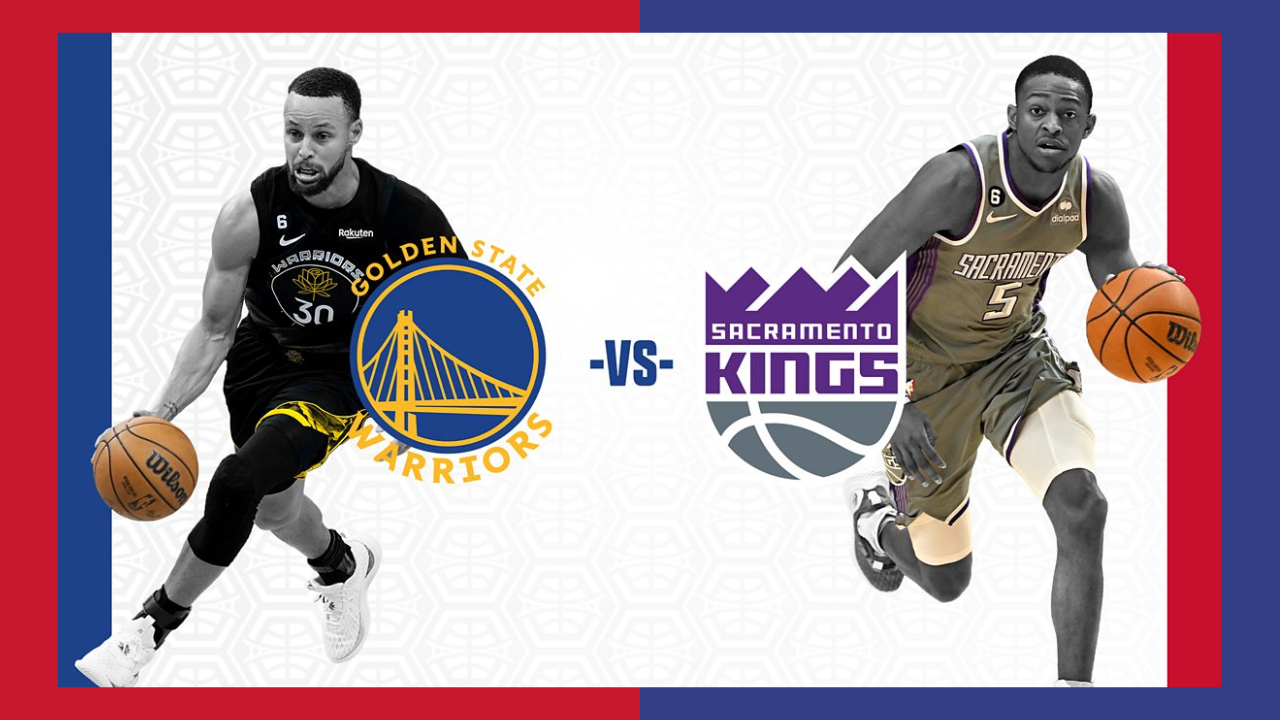
The battles between the Golden State Warriors and the Sacramento Kings have grown into some of the most exciting showdowns in the Western Conference. Each meeting brings its own energy, but looking beyond the final score reveals an even richer story. By digging into individual player statistics, you can see how each moment of the game shifted, who stepped up at critical points, and how both teams adjusted as the night went on. This breakdown examines the numbers, on-court decisions, and momentum swings that shaped the matchup. Through that lens, the game becomes more than highlights—it becomes a clear picture of what each team did well, where they struggled, and what this performance might mean for their future clashes.
Game Overview
In their most recent matchup, the Kings pulled away with a tough, well-earned win over the Warriors, a game that never felt settled until the final minutes. Golden State opened with sharp ball movement and quick scoring bursts, looking comfortable early on, but the momentum slowly shifted as Sacramento settled in. With steady execution, efficient shooting, and meaningful contributions from their bench, the Kings chipped away and eventually took control. The Warriors, meanwhile, leaned heavily on their younger players and flexible role pieces to keep things competitive. When you look at the game through the numbers, it becomes clear that depth, shot selection, and defensive pressure played significant roles in shaping the final result.
Golden State Warriors: Player Stats & Analysis
Stephen Curry
Even though Stephen Curry wasn’t the main storyline in this matchup, the expectations he sets each time he steps on the court still linger over the team. When he isn’t carrying the scoring load or dictating the pace, the Warriors have to look to their younger players to step into roles they’re still growing into. Curry’s usual impact—his sharp shooting, constant movement, and the spacing he naturally creates—was noticeably absent during several key moments. Without that familiar anchor, the Golden State leaned more heavily on developing talent to keep its offense moving.
Klay Thompson
Klay Thompson still played a meaningful role in the game, even without a big scoring night. His presence alone forces defenders to stay alert, and the space he creates simply by moving without the ball gives his teammates cleaner looks. On the other end, he spent much of the night matched up against Sacramento’s wing players, helping shape how those possessions unfolded. Still, if the Warriors were going to swing the momentum their way, they needed a bit more rhythm and efficiency from him to balance out the offensive stretches where the team struggled.
Draymond Green
Draymond Green’s influence showed up in every corner of the game, whether it was moving the ball, grabbing rebounds, reading the offense, or directing traffic on the floor. A lot of what he does doesn’t show up in simple box-score numbers—things like deflections, contests, quick switches, and the way he disrupts an opponent’s rhythm. In this matchup, whenever his assist numbers dipped or his defensive presence wasn’t as sharp, Sacramento found ways to take advantage. His leadership and ability to organize the Warriors remained crucial, but he needed stronger support around him to fully counter the Kings’ growing momentum.
Andrew Wiggins
Andrew Wiggins continued to play a crucial two-way role for Golden State, taking on challenging defensive assignments while providing steady scoring in the mid-range and on drives to the basket. His versatility kept the Warriors competitive for long stretches of the game. Still, a few cold shooting spells and a lack of timely rebounds allowed the Kings some much-needed breathing room. Even though he competed hard on defense, Sacramento did a good job identifying and attacking matchups that put him under constant pressure.
Bench Players
One of the biggest storylines for Golden State was the bench’s strong performance. Will Richard, getting his first start, delivered a breakout performance that highlighted his confidence, shooting ability, and athletic upside. Moses Moody followed that up with an equally impressive showing, bringing energy, timely scoring, and a calm presence. Their efforts kept the Warriors in the game during stretches when the starters couldn’t generate enough momentum. Still, as the game tightened, their inexperience showed in a few key moments—openings that Sacramento’s seasoned players were quick to exploit.
Sacramento Kings: Player Stats & Analysis
De’Aaron Fox
De’Aaron Fox set the tone for Sacramento with his speed and sharp ball-handling, dictating the pace almost every time he touched the ball. His scoring, playmaking, and on-ball pressure were central to the Kings’ game throughout. In transition, his burst made him nearly impossible to contain, and his ability to penetrate the defense added layers to Sacramento’s offense that the Warriors struggled to slow down.
Domantas Sabonis
Although Domantas Sabonis didn’t put up his usual big numbers in rebounds and assists, the moments when he wasn’t fully involved showed just how important he is to Sacramento’s overall structure. The things he brings, typically strong interior scoring, second-chance opportunities, and smooth playmaking from the post, weren’t always there, which shifted more of the load onto the rest of the lineup. You could immediately feel the difference in the Kings’ spacing and ball movement whenever he wasn’t anchoring their sets.
Keegan Murray
Keegan Murray’s impact came through smart, steady basketball on both ends of the floor. His shooting kept the Kings appropriately spaced, and his awareness away from the ball helped him slide into the right spots when the offense needed it. Defensively, his length and discipline made it harder for the Warriors to get clean perimeter looks. Even without a huge scoring night, his efficiency and reliability gave Sacramento a sense of balance throughout the game.
Malik Monk and Kevin Huerter
Sacramento’s bench played a huge part in securing the win. Malik Monk brought an immediate spark, creating shots, scoring in bunches, and giving the offense a lift the moment he checked in. Kevin Huerter added steady outside shooting and stepped up with well-timed baskets that kept the Kings’ rhythm intact. Together, they provided Sacramento with dependable production whenever the starters sat, turning brief leads into significant separation and helping the team maintain control throughout the night.
Bench Unit Strength
Sacramento’s second unit played with a level of cohesion and energy that stood out from the start. Their substantial plus-minus numbers, steady scoring, work on the boards, and active defense showed just how much they influenced the flow of the game. The Kings’ depth became a clear advantage, allowing them to maintain pressure and efficiency through both halves while keeping the Warriors on their heels.
Team Comparison
Shooting Efficiency
The Kings outperformed the Warriors in overall shooting efficiency, both at the rim and from long range. Their accuracy from three—particularly after halftime—created separation on the scoreboard and put added pressure on Golden State to respond quickly. That urgency led to hurried shots and disrupted possessions, giving Sacramento even more control as the game wore on.
Free-Throw Performance
Both teams shot well from the free-throw line, but Sacramento’s slight advantage in accuracy showed up when it mattered most. The Kings stayed steady and calm during those pressure moments, knocking down key attempts even as Golden State tried to extend the game with intentional fouls.
Rebounding Battle
The Kings had the upper hand on the glass, especially when it came to securing defensive rebounds. By cutting off Golden State’s second-chance looks, they limited the Warriors’ scoring options and kept the game’s pace where they wanted it. On the other end, Sacramento’s own offensive rebounds turned into critical extra points, giving them momentum at key moments.
Turnovers and Fouls
Golden State’s turnovers and stretches of foul trouble opened the door for Sacramento to take advantage. Each mistake stopped the Warriors from building any real momentum and often turned into quick transition opportunities for the Kings. Meanwhile, Sacramento stayed composed, took care of the ball, and avoided unnecessary fouls, which helped them keep control during the most competitive moments of the game.
Bench Scoring Impact
Bench play ended up being one of the biggest difference-makers in the game. Golden State’s reserves put up substantial individual numbers, but Sacramento’s second unit brought a more balanced, efficient approach, paired with active defense. Their scoring runs swung momentum multiple times and gave the Kings a clear advantage when it counted.
Key Performers of the Match
For Golden State, the brightest moments came from rising players like Will Richard and Moses Moody. Their poise, scoring bursts, and overall energy kept the Warriors within reach and showed how well the team has been developing its young talent. On the other side, Sacramento leaned on veteran experience to guide them through the more challenging stretches. Their steady scoring, strong presence on the boards, and thoughtful decision-making ultimately pushed the Kings over the line. The contrast between youthful promise and seasoned reliability was evident throughout the game.
What This Game Means for Both Teams
For the Warriors, this game showed just how much promise their younger players and bench pieces bring to the table, but it also exposed areas that still need tightening. Missed defensive assignments and avoidable turnovers opened the door for Sacramento to take control at key points. Even so, the growth and confidence shown by their emerging talent suggest that brighter performances are ahead as the group gains more experience.
For Sacramento, this victory underscored how much their depth, experience, and efficiency matter. They stayed poised during tense stretches, capitalized on Golden State’s mistakes, and executed when the pressure rose. The way they handled those moments shows a team built to compete with fast, aggressive opponents. Keeping that discipline and continuing to get strong production from the bench will be key as they move forward.
Conclusion
The Golden State Warriors vs Sacramento Kings Match Player Stats reveal a game driven by depth, sharp shooting, shifting momentum, and several standout performances. Sacramento’s blend of experience and efficiency carried them through, while Golden State’s younger players showed real potential but couldn’t overcome issues with turnovers, rebounding, and execution in the final minutes. Looking closely at the individual numbers makes it clear how each player’s role shaped the outcome and offers insight into how both teams can adjust and grow in the matchups ahead.
Read More: Luke Combs’ Brother, Wife, Weight Loss Journey, and Net Worth: Key Personal Facts Explained.
