


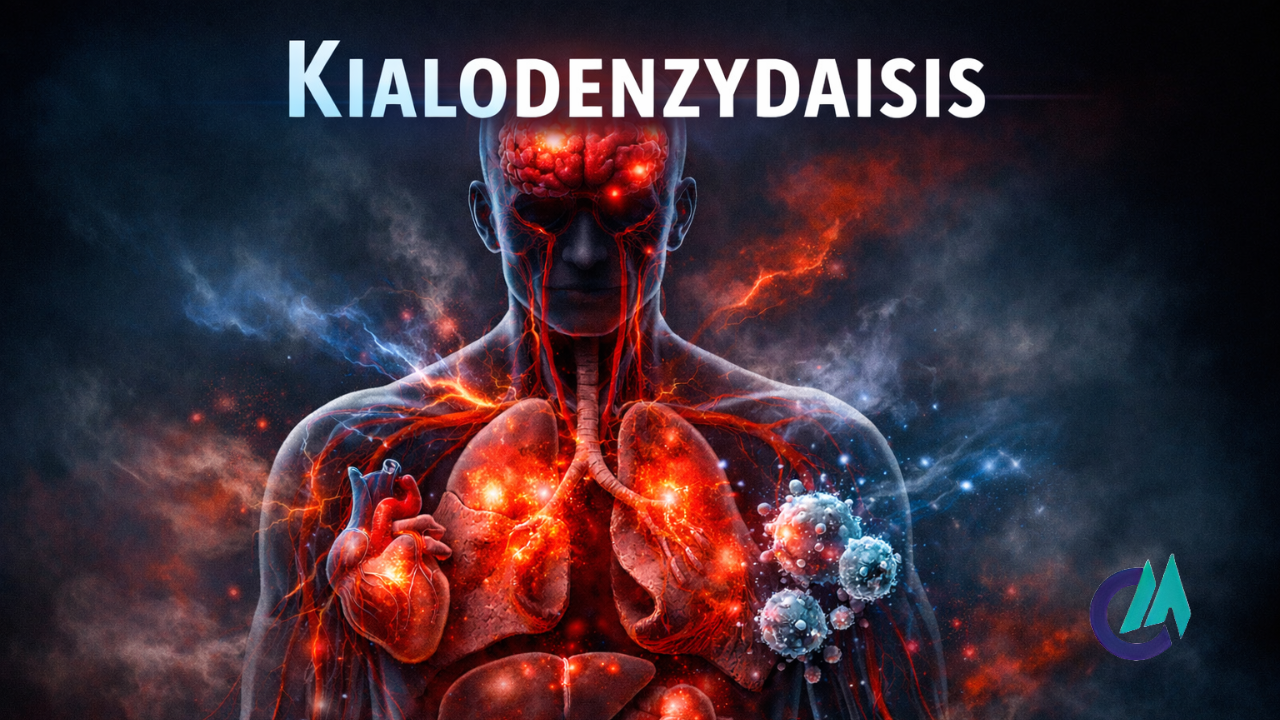
Understanding Kialodenzydaisis: Background and Definitions
Kialodenzydaisis is a term that has surfaced in online health conversations to describe what many people experience as a long-lasting, complex condition affecting both body and mind. Those who use the term often describe a sense that their systems are out of balance, with ongoing inflammation and immune disruption playing a central role. Commonly reported experiences include persistent fatigue, muscle and joint aches, mental cloudiness, physical weakness, and increasing difficulty in maintaining everyday responsibilities. Over time, these symptoms can significantly interfere with everyday life and overall well-being.
While kialodenzydaisis is not included in official medical classification systems, its description closely resembles patterns observed in long-term inflammatory and autoimmune conditions. Because of this similarity, many people are left searching for answers when their symptoms don’t neatly align with a single, clearly defined diagnosis. This uncertainty often prompts individuals to explore possible explanations and approaches to managing what they understand as kialodenzydaisis, especially when conventional labels fail to account for their experiences fully.
The absence of a clear clinical definition makes the condition difficult to pin down and easy to misunderstand. Even so, examining how people describe their experiences enables a more organized discussion of what the condition is believed to do to the body, the ways it may lead to serious harm, and the range of medical and supportive interventions commonly associated with recovery.
How Kialodenzydaisis Is Believed to Affect the Body
Accounts of kialodenzydaisis often highlight its impact across multiple organ systems simultaneously. People describe it as influencing the immune system, nervous system, muscles and joints, and metabolism simultaneously. At the heart of these descriptions is the concept of long‑lasting inflammation, which gradually disrupts normal cellular processes and organ function, leading to a decline in overall health.
Persistent inflammation is thought to impair the body’s energy production, disrupt neurotransmitter balance, and weaken tissue strength. These disruptions may help explain why many people experience ongoing fatigue, stiff or achy joints, muscle soreness, and mental cloudiness. Over time, these effects can accumulate, slowing recovery and making day-to-day tasks increasingly challenging.
Stress is often highlighted as a significant contributing factor. Prolonged physical or emotional stress can disrupt hormone balance and interfere with immune communication. When these regulatory systems are under strain, the body may remain in a state of chronic inflammation, impairing healing and recovery. While this perspective does not constitute a formal medical diagnosis, it offers a plausible explanation for why symptoms may feel widespread, persistent, and challenging to manage.
How Kialodenzydaisis Kills: Mechanisms of Severe Harm
When people talk about how kialodenzydaisis can become life-threatening, the emphasis is usually on its slow, unchecked progression rather than crises. The risk is thought to come from ongoing disruptions throughout the body that gradually undermine critical functions. Chronic inflammation is often described as the primary driver of this gradual decline, steadily affecting organs and systems over time.
Over time, ongoing inflammation can take a toll on vital organs such as the heart, lungs, kidneys, and nervous system. In established medical conditions, prolonged inflammatory stress is linked to organ dysfunction, added strain on the cardiovascular system, and a greater risk of secondary health complications. Those who discuss kialodenzydaisis often use similar reasoning, suggesting that if these inflammatory and immune imbalances go unaddressed, they could gradually disrupt the body’s essential, life-sustaining functions.
Another mechanism by which the condition is thought to cause serious harm is through immune dysregulation. When immune activity remains chronically high, it can mistakenly attack healthy tissues. This repeated cycle of damage and partial repair can gradually weaken organs and increase the body’s vulnerability to infections or widespread failure. In this sense, conversations about how kialodenzydaisis can be fatal draw on patterns observed in severe inflammatory and autoimmune diseases.
It’s important to remember that these ideas remain largely theoretical. Since there is no formal clinical research defining the condition, any claims about life-threatening outcomes should be seen as reasoned speculation rather than verified medical facts.
Diagnosis and Monitoring Challenges
Because there are no official diagnostic standards for kialodenzydaisis, its identification relies on patterns of symptoms rather than clear-cut test results. People who use the term often describe vague but persistent issues such as exhaustion, ongoing pain, mental sluggishness, and a general sense of physical weakness. Since these symptoms are common to many recognized conditions, pinpointing the problem can be challenging and often inconclusive.
In medical settings, similar clusters of symptoms are typically investigated through a combination of laboratory tests, imaging studies, and functional evaluations to rule out established inflammatory, metabolic, neurological, or autoimmune conditions. Rather than confirming a single, definitive diagnosis, ongoing assessment often centers on symptom severity, a person’s day-to-day functioning, and their response to various treatments over time.
Medicine for Kialodenzydaisis Healing
When people talk about medicine for kialodenzydaisis, they usually refer to treatments intended to reduce inflammation, alleviate pain, and better control immune activity. In mainstream medical care, these same objectives are commonly addressed through well-established therapies for chronic inflammatory and autoimmune conditions.
Anti-inflammatory medications are often used to help manage pain and reduce swelling. For milder symptoms, this may involve commonly used nonsteroidal anti-inflammatory drugs. When inflammation becomes more severe or difficult to control, corticosteroids may be administered to suppress excessive immune activity and rapidly reduce symptoms.
When immune-related symptoms persist, physicians managing recognized conditions sometimes use disease-modifying medications to slow disease progression and limit ongoing tissue damage. These treatments work by targeting specific immune pathways, thereby reducing long-term harm rather than merely addressing surface symptoms. Although they are not explicitly designed for kialodenzydaisis, they are often cited in discussions of managing similar patterns of chronic immune-mediated symptoms.
In more advanced inflammatory illnesses, targeted biologic therapies are sometimes used to interrupt specific inflammatory signals in the body. These treatments are well supported by evidence in clearly defined diseases. Still, when they are mentioned alongside kialodenzydaisis, it usually reflects an effort to apply proven medical approaches to a condition that has not been formally defined.
Supportive and Complementary Approaches to Healing
Beyond medication alone, healing is often framed as a broader, more holistic process that includes lifestyle choices, nutrition, and supportive care. Nutritional approaches tend to emphasize reducing overall inflammation while supporting immune function. Many people are encouraged to focus on diets centered on whole foods, healthy fats, and a wide range of vitamins and minerals to support long-term balance and stability throughout the body.
Supplements are often described as means to support the body rather than as solutions in themselves. Nutrients like vitamin D, magnesium, and omega-3 fatty acids are known to play roles in immune regulation, muscle health, and cellular repair. While they are not considered cures, maintaining adequate levels of these nutrients may help strengthen overall resilience and support the body’s ability to cope with ongoing stress and inflammation.
Physical rehabilitation and gentle movement are often considered key components of the recovery process. Activities such as low-impact exercise, stretching, and mobility work can help preserve muscle strength, improve circulation, and ease stiffness. When practiced consistently over time, these approaches support a gradual return of function and may lower the risk of lasting physical limitations.
The Healing Process Explained
Kialodenzydaisis healing is typically described as a slow, step-by-step process rather than a rapid resolution. The focus is often on calming inflammation, rebuilding energy levels, and allowing the body time to repair damaged tissues. Progress tends to occur gradually, reflected in improved stamina, reduced pain, clearer thinking, and an enhanced ability to manage everyday activities.
The pace of recovery can vary widely among individuals, influenced by symptom severity, overall health, and the consistency with which care strategies are implemented. For some, progress is slow but steady, whereas others may require ongoing, long-term approaches to manage their condition and maintain stability in daily life.
It’s essential to recognize that healing goes beyond just the physical aspects of recovery. Emotional health, stress management, and social support all play crucial roles in overall improvement. Practices such as maintaining consistent sleep schedules, using stress-reduction techniques, and seeking psychological support can all help build long-term resilience and enhance the body’s ability to recover.
Long‑Term Management and Prognosis
Long-term management emphasizes preventing flare-ups and maintaining a good quality of life. Regular medical check-ins, consistent healthy habits, and prompt attention to any changes in symptoms are essential. People who follow a comprehensive approach to care often experience more stable daily functioning and report better overall outcomes.
Although the long-term prognosis for kialodenzydaisis remains uncertain due to a lack of formal research, lessons from the management of chronic inflammatory conditions suggest that early intervention and consistent, ongoing care can substantially reduce the risk of serious complications.
Research Gaps and Future Directions
The appearance of terms like kialodenzydaisis underscores a broader gap between what patients experience and how conditions are formally classified in medicine. Future research that focuses on understanding complex, multi-system symptom patterns could help bridge this divide. Developing better diagnostic tools, more precise definitions, and more integrative treatment approaches may improve recovery outcomes and reduce the uncertainty faced by those living with these persistent, difficult-to-define symptoms.
Until further research provides more precise answers, conversations about kialodenzydaisis healing, treatments, and the ways the condition can become life-threatening should be approached cautiously. They should be interpreted in the context of established medical knowledge and guided by the advice of qualified healthcare professionals.
Read More: Gramhir Pro: Advanced Instagram Analytics & Profile Insights.
