


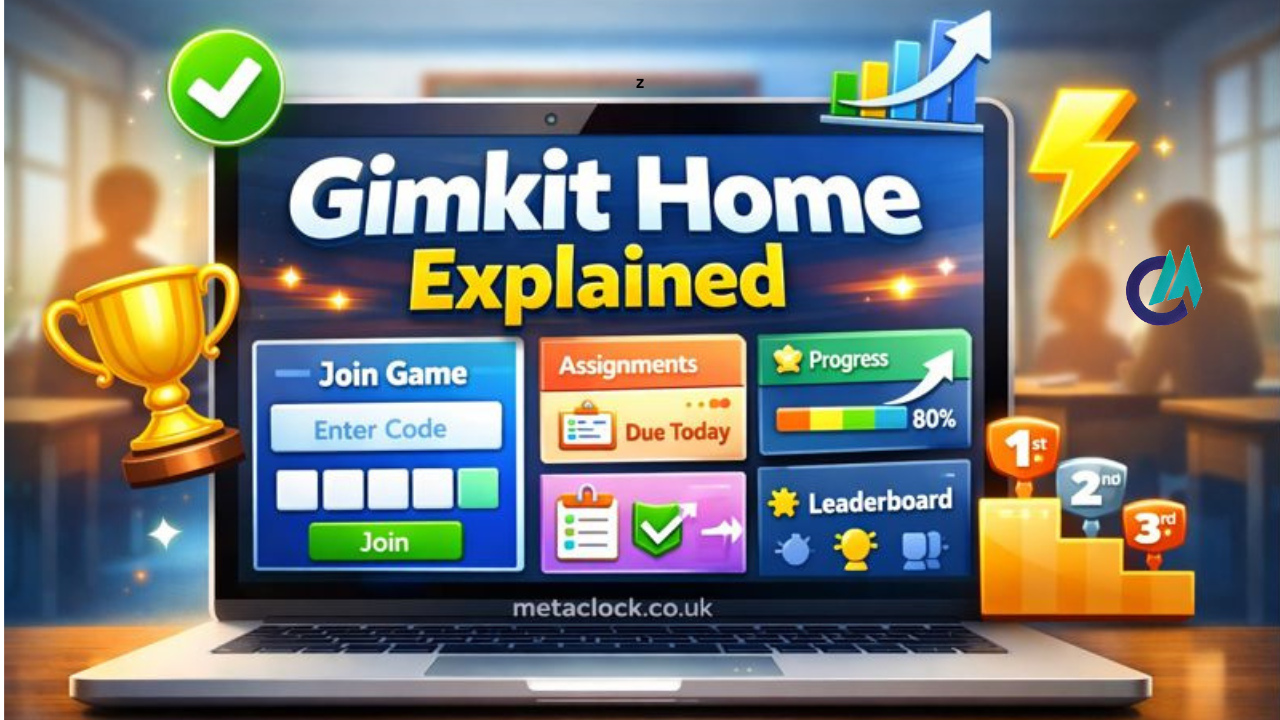
If you’ve ever looked up Gimkit Home, you were probably trying to get in and get going—join a game fast, find your assignments, or figure out what the main dashboard actually does. Gimkit is meant to be simple, but the first time you use it in a classroom, it’s easy to hesitate for a moment. Suddenly, you’re thinking, Where am I supposed to click? Did my progress save? How do I start playing without messing something up?
The good thing is, Gimkit Home works like your central hub. It’s the spot you’ll come back to again and again, whether you’re a student jumping into a live game in just a few seconds or a teacher setting up an activity and checking how everyone did afterward. Once you get familiar with what’s on the screen and what each section is meant for, everything starts to feel quicker and more natural—you’ll navigate with less confusion, play with fewer interruptions, and keep everything more organized.
In this guide, I’ll break down what Gimkit Home is, show you what you can do from there, walk you through joining games the right way, and explain how progress tracking works so your results actually make sense.
What Is Gimkit Home?
Gimkit Home is basically the first screen you’ll see when you open Gimkit and sign in. A lot of people refer to it as the dashboard because it’s where everything is laid out in one place. So when someone tells you to “go to Gimkit Home,” they’re usually talking about that central hub where your next steps are easy to find—whether you’re logging in as a student ready to join a game or a teacher setting things up for the class.
For teachers, Gimkit Home is where all the behind-the-scenes work happens. It’s the place to create and manage your kits (your question sets), launch live games for the class, set up assignments for students to do on their own, and keep everything organized in one spot. It’s also where you can come back later to check reports and see how students performed, making it the main control panel for running Gimkit smoothly.
For students, Gimkit Home is usually where everything begins. It’s where you’ll enter a game code to join your class in seconds, check any assignments your teacher has posted, and see details tied to your account if you’re logged in. A lot of the time, students also use the join screen to enter the code for a live game, which is precisely why so many people end up searching for “Gimkit Home” when they’re trying to get into a session quickly.
Simply put, Gimkit Home isn’t just a regular homepage—it’s the principal place where everything comes together, from joining and playing games to staying organized and tracking progress.
How Gimkit Home Works (The Simple Breakdown)
Gimkit really comes down to a straightforward concept: you answer questions, and every correct answer helps you move forward in the game. It turns regular review into something that feels quick and exciting, with a bit of competition mixed in. But even with all the fun elements, the primary purpose is still the same—it’s a learning tool that helps you practice what you know and spot what you need to improve.
After you sign in, Gimkit Home makes it easy to jump between three key things you’ll usually want to do:
- Get into a game as fast as a student.
- Launch a game or set one up as an assignment on the teacher’s side.
- Look back at results using reports and progress tracking.
Teachers can build quiz-style question sets, called kits, and then decide whether students will play them live in class or work through them on their own as an assignment.
That setup is exactly why Gimkit Home matters—rather than digging through menus to find what you need, everything is laid out in a way that fits smoothly into a regular classroom routine.
Key Features You’ll Find on Gimkit Home
Even if the design looks a little different from one device to another (or after an update), Gimkit Home still keeps the same main features in place—and these are the ones you’ll use most often.
Joining a Live Game with a Code
One of the quickest ways to jump into Gimkit is to enter a game code—most students do this on the join screen, which drops them straight into the teacher’s live session.
That’s what makes it so convenient—students don’t have to hunt through tabs or settings, they can go from “ready to join” to playing almost instantly.
Kits (Question Sets)
In Gimkit, kits are the question sets used for gameplay—teachers can make their own, update them anytime, reuse them across classes, or choose ready-made content to run a game session.
Assignments for Student-Paced Practice
Gimkit isn’t limited to live class games—teachers can also set a kit as an assignment so that students can complete it on their own time, just like homework or independent practice.
That’s why Gimkit Home can still be useful after the school day ends, especially for students who prefer to finish assignments later or catch up from home.
Game Modes
Gimkit comes with different game modes that keep things feeling fresh, even if you’re answering the same set of questions—some are more competitive, some are team-based, and others feel like fun themed challenges.
With so many modes spread across different categories, Gimkit stays enjoyable and easy to replay without feeling like you’re doing the same thing every time.
Reports and Progress Tracking
One big reason teachers stick with Gimkit is that the learning doesn’t stop when the round ends—after the game, they can review reports to see how the whole class did and how each student performed.
That’s what makes Gimkit more than a fun classroom game—it turns into a valuable way to see what students understand and what still needs work.
How to Join a Game from Gimkit Home (Step-by-Step)
If you want to jump in and start playing right away, this is the section to focus on.
Step 1: Go to the Join Page or Use the Home Join Option
Most students join a live Gimkit game by opening the join screen and typing in the code their teacher shares.
Step 2: Enter the Game Code Carefully
Game codes aren’t long, but they have to be typed perfectly—one small mistake can block you from getting in. If it won’t join, take a second to check every character and enter it exactly as your teacher wrote it.
Step 3: Choose a Name (If Required)
Based on how your teacher set it up, you might be asked to type in a name before joining—some classrooms allow fun nicknames, while others prefer real names so attendance and results stay clear.
Step 4: Wait for the Game to Start
Sometimes you’ll get in right away, but still have to wait on a screen until your teacher starts the game. Nothing’s wrong—once the host begins the session, it will start on its own.
Step 5: Start Answering and Playing
Most of the time, the game is all about answering questions fast and turning correct answers into rewards or power-ups, which helps keep things exciting from start to finish.
How Teachers Use Gimkit Home in Real Classrooms
For teachers, Gimkit Home isn’t just a “start button” screen—it’s the spot where lesson planning and classroom gameplay come together.
Creating a Kit (Your Content Base)
Teachers can put together a kit by adding questions that fit the current lesson, and that kit becomes the core of the activity students will play through.
Once you’ve made a kit, you can use it again and again, which makes it great for quick warm-ups, review sessions, and exam preparation.
Choosing Live Game vs Assignment
This is one of the biggest choices teachers make when using Gimkit Home:
- Play Live is meant for real-time class sessions where everyone joins at once, and students compete and interact as the game runs.
- Assignments let students work at their own pace, completing the game independently without needing the whole class to play at the same time.
Both of these options are common in everyday classrooms, and they’re a big part of what makes Gimkit so practical to use.
Selecting a Game Mode
Once you’ve picked a kit, the next step is choosing a game mode. Some modes move quickly and feel high-energy, while others slow things down and add more strategy. Having that mix makes it easier to keep students interested, even when you’re reviewing the same topic again.
Launching the Game
After the teacher starts the game, students enter the code to join, while the teacher maintains control over the settings, timing, and how the session runs in class.
Gimkit Home for Students: What to Expect
Many students assume Gimkit will feel like a regular quiz site, but it’s much more interactive than that. Even though you’re still answering questions, the game elements add progress, strategy, and a little challenge that keeps you paying attention.
Here are a few things students tend to pick up on right away:
It Feels Like Learning and Gaming at the Same Time
When you get answers right, you gain in-game rewards, so it feels like your effort and thinking actually pay off—not just rushing to the end.
You Can Improve Even If You Start Slow
One of the best parts about Gimkit is that it doesn’t punish you for a rough start. Even if you miss a few questions early on, you can still turn it around by staying focused and answering better as the game goes on.
You Learn Faster Because It Repeats Smartly
When a kit is made correctly, it keeps bringing key topics back in a way that helps them stick. That kind of repetition can build confidence and improve memory, especially when you’re getting ready for a test.
Game Modes and Why They Matter on Gimkit Home
A lot of people assume every Gimkit game feels identical, but that’s not really true—different modes can make the whole experience feel completely different.
The mode you pick can change things like:
- how fast or slow the game moves.
- whether you’re working as a team or playing against everyone on your own.
- How much strategy and planning does it take?
- how intense or relaxed the round feels.
- How motivated students think to join in and stay active.
So when you’re choosing a mode on Gimkit Home, it’s not just a quick option to click—it can honestly make the difference between a class that’s fully engaged and one that loses focus halfway through.
Tracking Progress and Understanding Gimkit Reports
This is where Gimkit Home becomes truly useful, as it helps you see what to improve next.
What Teachers Can Track
Once the game is over, teachers can usually look back at results like:
- How did the class perform overall?
- how each student did individually.
- which questions students got right or wrong, and how accurate the answers were.
Why Reports Matter More Than Leaderboards
A leaderboard tells you who finished on top, but the reports reveal what everyone actually understood.
That’s important because winning doesn’t always mean someone learned the most. A student might take their time, think carefully, and understand the material really well, even if they don’t place near the top. At the same time, another student could score high simply because they’re quick, confident, or know when to use power-ups. The reports make it easier to see the difference between game performance and real understanding, so teachers can step in and help the students who actually need support.
Login and Setup Tips for Gimkit Home
To get to Gimkit Home, you usually sign in on the regular login screen, and you’ll land there right after.
For Teachers
Teachers are better off getting their account set up the right way from the start, because it makes things easier later on, like:
- saving kits for future use.
- keeping classes organized.
- tracking progress over time.
- assigning work without confusion or mistakes.
For Students
Students don’t always need a complete account to join a game, since you can usually get in with a code. But if your teacher gives assignments through Gimkit, signing in helps everything run more smoothly and makes sure your progress is saved under your name.
Troubleshooting Common Gimkit Home Problems
Even though Gimkit is pretty straightforward, minor problems can still pop up from time to time—here are a few common ones and what they usually indicate.
“The Game Code Isn’t Working”
Even though Gimkit is pretty straightforward, minor problems can still pop up from time to time—here are a few common ones and what they usually indicate.
- The teacher may have already ended the game session.
- The code might have been mistyped.
- The game may not have started yet.
Try refreshing the page and entering the code again to be sure.
“The Page Isn’t Loading”
This usually comes down to things like:
- a weak or unstable internet connection.
- Your browser cache is causing problems.
- Having too many tabs or apps open at once.
A quick refresh or switching to another browser often solves it right away.
“I Can’t Log In.”
Login problems usually happen when:
- You’re signing in with the wrong email address.
- Your school account might have restrictions enabled.
- Cookies may be blocked in your browser.
If you’re still stuck, your teacher can usually help, or you can double-check the login screen to make sure you’re using the correct sign-in option.
Safety, Privacy, and Classroom-Friendly Use
Gimkit is designed for classrooms, so teachers can control how things run. That’s why Gimkit Home matters so much—it lets teachers guide the experience instead of leaving everything up to students with no supervision.
Teachers can set up the game however they want, assign activities deliberately, and check the results afterward, which helps keep learning more focused and classroom-friendly.
Final Thoughts: Why Gimkit Home Makes Everything Faster
At first glance, Gimkit Home can seem like any other school dashboard—just another place with buttons and menus. But once you get used to it, you realize it actually makes everything quicker. It’s where you can jump into a game in seconds, set up a classroom activity without wasting time, assign practice that students can do at their own pace, and then come back later to see real results in the reports instead of guessing how everyone did.
If you’re a student, Gimkit Home helps you jump into games quickly and keep up with whatever your teacher assigns. If you’re a teacher, it becomes your central hub—where you build kits, choose modes, start live sessions, and see what students actually understood.
And that’s really what it comes down to—it isn’t just about playing a game. It’s about making everyday review questions feel engaging enough that students actually want to join in, while still giving teachers the kind of progress tracking that helps them teach more effectively.
Read More: Chrisnxtdoor Explained: What It Is, Why It’s Trending, and What People Should Know.
