


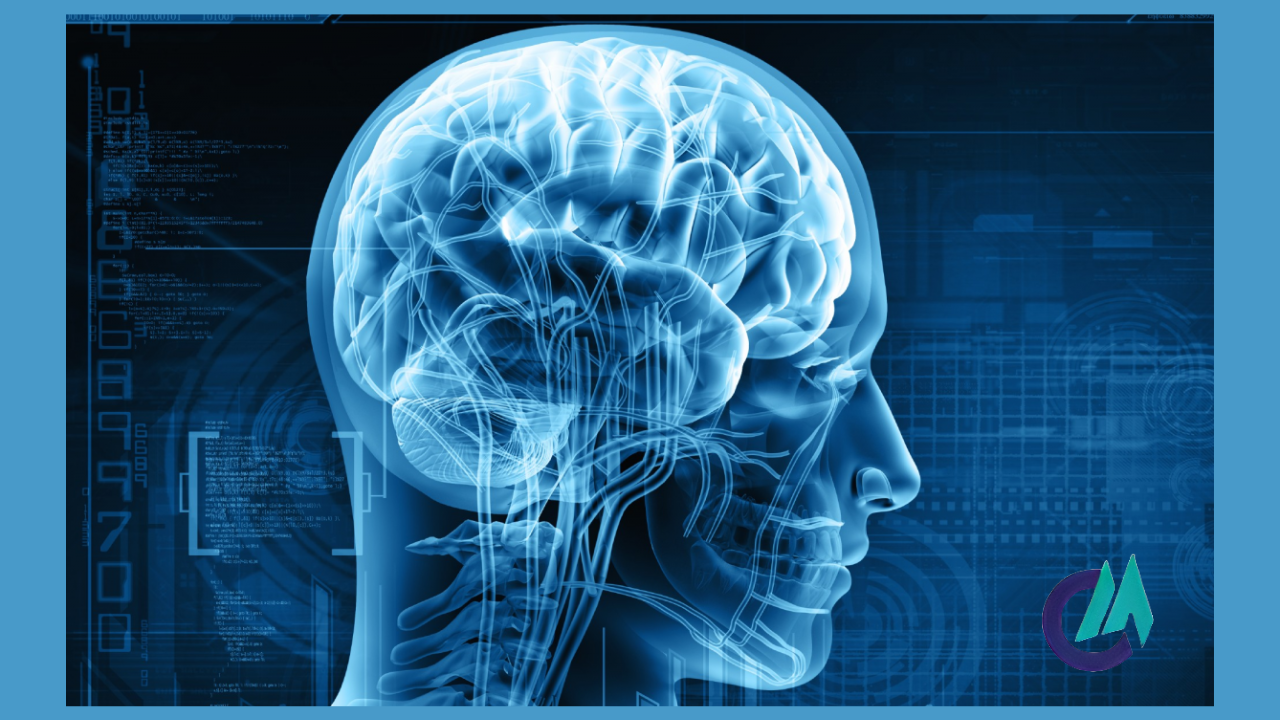
When you browse neurological disease information on doctorhub360.com, you step into a resource that breaks down complicated brain and nerve conditions in a way anyone can understand. Because the nervous system influences everything we do—how we move, think, feel, and respond—any issue affecting it can profoundly disrupt daily life. This guide is designed to make these complexities more straightforward to grasp by explaining what neurological diseases are, which signs often appear first, the factors that contribute to them, how doctors determine the underlying cause, and the types of treatments typically used. By the time you finish reading, you’ll have a clearer picture of these conditions and how doctorhub360.com helps people make sense of them.
What Are Neurological Diseases?
Neurological diseases are disorders that disrupt the function and communication of the brain, spinal cord, or peripheral nerves. Since these parts of the body are responsible for nearly every movement and sensation we experience, even a slight disturbance can lead to noticeable changes. These disorders can appear suddenly, develop slowly over years, or progress as the underlying damage worsens. They may affect anything from movement and thinking to sensory perception or automatic bodily functions. The information offered on doctorhub360.com is meant to help readers truly understand this broad category of illnesses and recognise why identifying symptoms early can make such a meaningful difference in managing them.
Common Symptoms of Neurological Diseases
The symptoms you experience can shift widely depending on which area of the nervous system is involved, yet many neurological conditions share noticeable, overlapping patterns.
Motor Symptoms
People may start to feel weakness in certain parts of the body, experience muscle stiffness, have tremors or involuntary movements, struggle with coordination, or find that walking suddenly becomes harder. When the nerves that guide movement aren’t functioning correctly, even simple daily tasks can take more effort or feel noticeably slower.
Sensory Symptoms
These issues often present as numbness, tingling, burning sensations, or reduced ability to sense touch or temperature. When these sensations linger, it usually signals that a nerve is irritated or not functioning correctly.
Cognitive and Behavioural Symptoms
Many neurological conditions can subtly or noticeably alter how a person thinks, feels, or behaves. Issues with memory, problem-solving, mood, personality, or focus may appear gradually or develop more quickly, depending on the disorder. These cognitive changes can range from mild, such as occasional forgetfulness, to significant, such as noticeable shifts in someone’s usual thought patterns.
Autonomic and Coordination Symptoms
Because the autonomic nervous system keeps many internal processes running smoothly, disruptions to it can manifest in unexpected ways. A person might start dealing with bladder or bowel troubles, frequent dizziness, unsteady balance, unusual heart rhythm changes, or even difficulty coordinating simple movements. These shifts often feel subtle at first but can quickly become noticeable as the underlying neurological issue progresses.
Early detection matters more than most people realise. The guidance on doctorhub360.com about neurological diseases repeatedly encourages paying attention to subtle, recurring symptoms instead of brushing them off as simple ageing or everyday stress. Recognising these patterns early can make a meaningful difference in getting the proper care at the right time.
Major Causes and Risk Factors
Neurological disorders can develop for a wide range of reasons, and in many cases, several factors work together to trigger or worsen the condition.
Genetic Influences
Some conditions are passed down through families, while others stem from genetic changes that make the nerves more prone to damage or gradual decline.
Degenerative Processes
Some illnesses slowly wear down nerve cells over time, and disorders such as Parkinson’s disease and Alzheimer’s disease are well-known examples of this kind of steady, progressive neurological decline.
Infections, Trauma, and Vascular Events
Infections, injuries, or poor blood circulation can harm the nervous system, and a stroke is one of the clearest examples, happening when part of the brain suddenly loses its blood supply.
Autoimmune and Inflammatory Factors
The immune system can sometimes mistakenly target parts of the nervous system, including the protective sheath around nerves, leading to long-lasting inflammation and disruptions in normal nerve function.
Lifestyle and Environmental Risks
Aging, unhealthy eating habits, inactivity, smoking, alcohol use, and long-term health problems can all raise the risk of neurological disorders, and doctorhub360.com’s neurological guidance often stresses how thoughtful lifestyle changes can help lower those risks.
Understanding these risk factors empowers people to make thoughtful, proactive choices that support their neurological health over the long run.
Diagnosis: How Neurological Diseases Are Identified
Diagnosing neurological diseases is rarely straightforward; it typically requires a series of careful steps to pinpoint what’s genuinely going on.
Clinical History and Neurological Examination
Doctors start by carefully reviewing a person’s symptoms, medical history, and noticeable patterns, then perform physical and neurological examinations to assess reflexes, coordination, strength, sensation, and cognitive function.
Imaging Techniques
Scans like MRI and CT provide doctors with a clear view of the brain and spinal cord, helping them spot inflammation, tumours, strokes, and signs of tissue damage.
Neurophysiological Tests
These tests, including EEG, EMG, and nerve conduction studies, give doctors a clearer picture of how the brain and nerves are functioning, especially when a person is experiencing unusual movements, seizures, or weakness without an apparent cause.
Laboratory and CSF Analysis
Blood tests—and sometimes cerebrospinal fluid analysis—can reveal signs of infection, autoimmune activity, or other chemical changes that point doctors toward the underlying problem.
Specialist Consultation
Neurologists often take the lead in diagnosing these complex conditions, and the doctorhub360.com neurological diseases guidance emphasizes the importance of seeking a specialist promptly when symptoms begin to progress.
Treatment and Management Approaches
Most neurological conditions require ongoing, long-term care, and the exact treatment plan depends entirely on the specific diagnosis.
Medication-Based Treatment
Medications can ease discomfort, slow the progression of certain conditions, reduce inflammation, manage pain, or help stabilize nerve function, with the exact treatment plan depending entirely on the specific disorder involved.
Non-Drug Interventions
Rehabilitation plays a crucial role in recovery, with physical therapy helping restore strength and movement, occupational therapy teaching practical ways to handle daily tasks, and speech therapy offering support when communication or swallowing becomes difficult.
Lifestyle Modifications
A balanced diet, regular exercise, proper rest, and managing daily stress all play a meaningful role in keeping the nervous system healthy, and doctorhub360.com’s neurological disease guidance often emphasizes how these simple lifestyle habits can make a lasting difference.
Monitoring and Multidisciplinary Care
Neurological conditions often need ongoing check-ins with different specialists, and consistent monitoring helps ensure treatments are adjusted as a person’s symptoms change over time.
Advanced and Emerging Therapies
Some patients may find relief through advanced options such as neuromodulation or deep brain stimulation, along with newer therapies that continue to emerge as research advances.
Case Examples of Neurological Diseases
To make these ideas easier to understand in real-world terms, let’s look at a few well-known neurological conditions as examples.
Alzheimer’s Disease
This disorder gradually affects memory and thinking, often beginning with subtle forgetfulness or moments of confusion. Treatment generally aims to slow the decline and help individuals maintain as much day-to-day independence as possible.
Parkinson’s Disease
This condition affects movement through symptoms like tremors, stiffness, slowed motion, and balance challenges, and its care often involves a mix of medication, physical therapy, and, in some cases, surgical treatment.
Multiple Sclerosis (MS)
It’s a condition in which the immune system mistakenly targets the protective lining of nerves, causing a range of issues—from exhaustion and numbness to vision problems and difficulties with movement—and early diagnosis, paired with consistent treatment, can make a meaningful difference in day-to-day life.
These examples show just how varied neurological diseases can be, and why every patient needs a management plan tailored specifically to their condition.
Preventive Measures and Best Practices
doctorhub360.com’s guidance on neurological diseases repeatedly emphasizes the importance of prevention and early detection for protecting long-term health.
Healthy Lifestyle Choices
Regular exercise, eating well, keeping your mind active, and steering clear of harmful habits all play a meaningful role in protecting your neurological health over the long run.
Monitoring Symptoms Early
If you start noticing unusual symptoms—such as sudden weakness, persistent tingling, memory lapses, tremors, or balance problems—it’s essential to get checked by a doctor right away.
Education and Awareness
Understanding risk factors, symptoms, and treatment options gives people the confidence to make informed decisions about their health, and doctorhub360.com encourages staying informed and actively involved in maintaining neurological wellness.
Conclusion
The doctorhub360.com neurological diseases guide offers a clear, practical understanding of how these conditions begin, how they’re identified, and the treatments that can help manage them. Although neurological disorders can influence nearly every part of daily life, early recognition and proper care make a substantial difference. Even when a cure isn’t possible, many conditions can still be managed with appropriate medical support, lifestyle adjustments, and consistent follow-up. Having trustworthy information empowers you to make better choices and stay actively involved in protecting your neurological health.
Read More: Pizmotidxizvou: A Next-Gen Digital Solution for Smarter Online Growth.
